
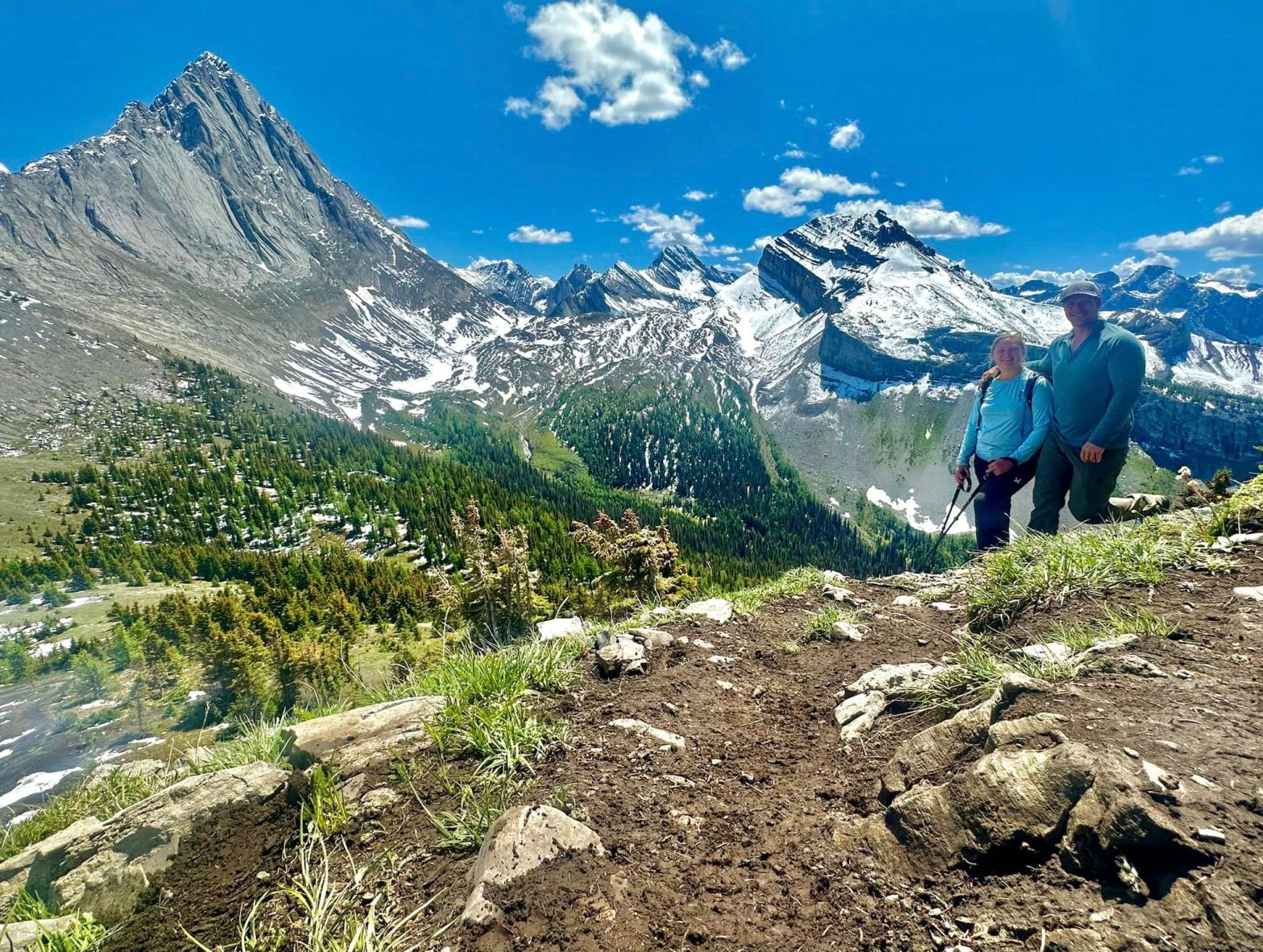
Hiking is a phenomenal way to get outside and enjoy nature. It offers a huge variety of distances and difficulties to be tailored to individual wants and needs. Mikayla and I have been regular hikers for many years. Over that time, we have increased our daily hikes from a couple of miles up to 20 miles a day. The gear requirements for each hike vary. The further you are going and longer you will be out greatly vary the amount and types of gear you need to take a long. Here is a practical guide of what to bring along, and tips on what to bring to make the hike more enjoyable and not be caught without something you may need.
Disclaimer – All recommendations are generalized for the distances and time taken, they may vary based on the individual hiker and experience level.
Smaller Hikes
When preparing for a hike of one to four miles the necessary items can be condensed to a light and small pack. Water is essential on all hikes, as a general rule we would recommend at least eight ounces per mile being hiked. Store in leak resistant containers such as a Nalgene, Camelback, or other quality water bottles. A small first aid kit with an assortment of bandages, antiseptic, compression wrap, and tweezers is a valuable thing to have along on trips of any length. For cuts, scrapes, or things like cactus thorns, being prepared with some essentials to make the hike far more enjoyable when things don’t go quite as planned. If you are hiking in areas where weather may change quickly, pack a light jacket or extra layers to make the hike far more comfortable. Snacks are not essential on a hike of this length, but depending on your experience and hiking speed, having a snack can help turnaround your mood when you start feeling worn out or ready to be done. For evening or sunset hikes we would also recommend a good headlamp or handheld flashlight, cell phones all have flashlights today, however they tend to not be bright enough for nighttime hiking and illuminating the trail well.
Medium Hikes
For hikes of five to ten miles, start with the same core items in the pack. At this length we would normally no longer consider snacks as optional, even as an experienced hiker, you will be out for multiple hours. In addition to snacks like beef jerky, dried fruit, or trail mixes consider options like sandwiches, cans of tuna or sardines, and other protein rich foods. On longer hikes think about bringing a water purification system or iodine tablets. This would give you the option to carry less water and save weight as well as allowing you access natural water supplies you happen to run out. For medium hikes I also recommend having a physical copy or downloaded trail map. If you forget or unable to get ahead of time, taking a photo with your cell phone will also work. If you are prone to blisters, KT tape is your solution! Carry extra with you on longer days to have to option to reapply if needed.
Long Hikes
Hikes greater than ten miles we would recommend adding a couple of items as well as extra emergency gear. A pair of trekking poles can go a long way as you start piling up mileage. They help take the strain off your knees on the downhill and allow you to use your arms to power through the uphills. Without them I’d have taken countless more falls over the years when crossing streams, climbing loose rock, or when tired at the end of a long day. They can feel silly when you first start using them, but for people wanting to regularly do long distance days they can be a lifesaver.
At this distance we would absolutely recommend a water purification system with either iodine tablets, a pump filter or steri-pen. Carrying enough water for an entire day adds a great amount of weight to your back. However, access to a water source is necessary for the above tools, so research ahead of time to make sure you will have streams like or other natural water sources available. If there will not be water sources along the hike make you you are taking enough water to last you on the hike.
On longer distance days think about adding an emergency blanket, a flashlight, and even some high-strength rope or twine to your first aid kit, these items are light weight but can be very valuable if you get stuck out in the woods longer than you planned. While not a necessity, adding a GPS communication device such as a Garmin In Reach can be a great safety item. When going this far on trails you routinely find very few other people or means a of help when necessary.
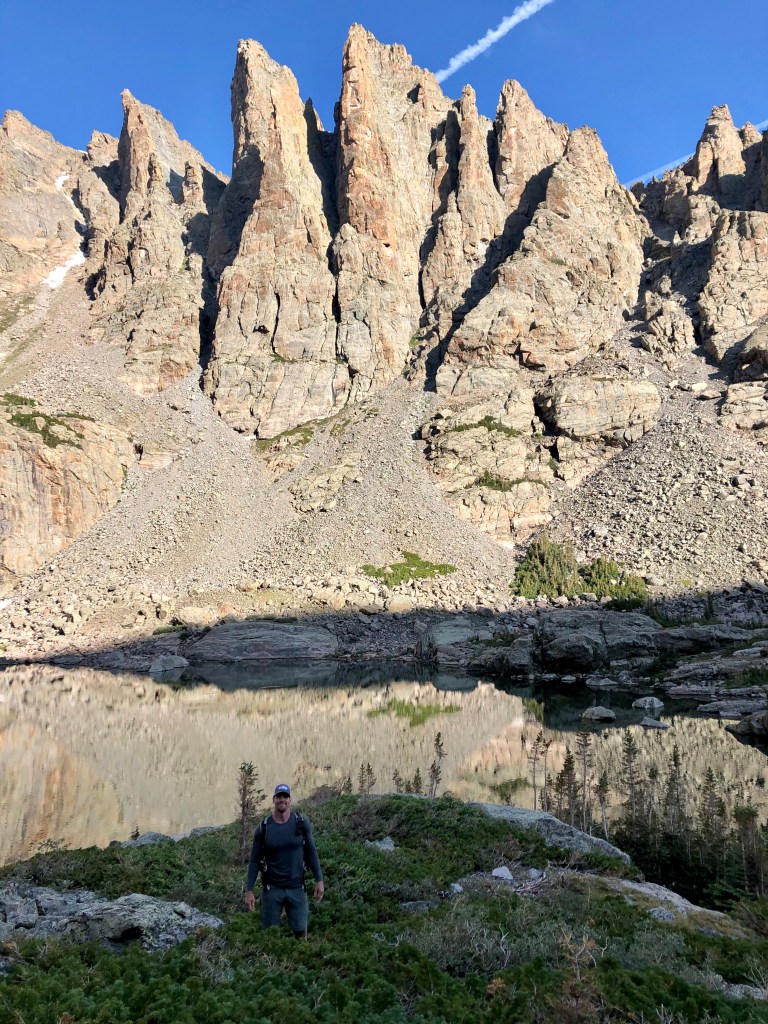
The most important part of getting outgoing hiking is to enjoy it. There are many amazing places that it will take you. Having the correct items can make all the difference in enjoying your day, things happen quickly on the backcountry. Being prepared can take away the surprise and decrease the risk in remote areas. You can certainly add gear from any of the longer hike lists for shorter hike. It’s far better to be over prepared than under. Make sure that in addition to your pack you select good, sturdy footwear and layer clothing with time of year and temperatures in mind. If winter hiking don’t forget your crampons.
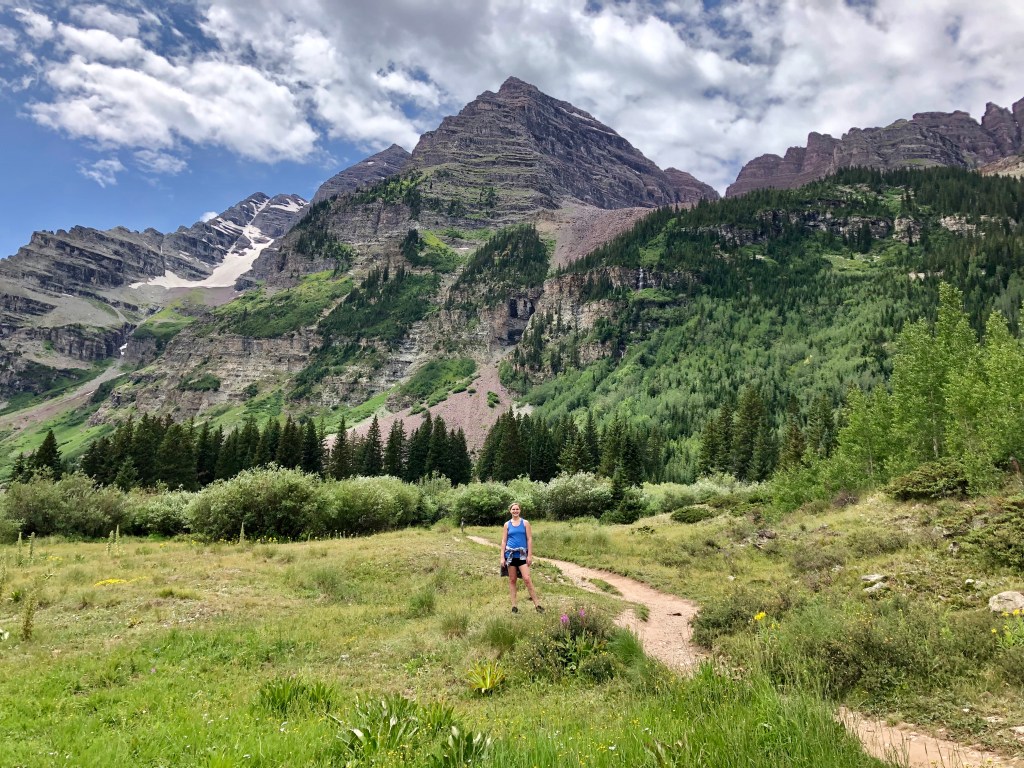
Don’t be afraid to try new places and new terrain, there are so many amazing places out there. From the coastal mountains of California and Washington to the Appalachian Mountains and Shenandoah National Park, Mikayla and I have explored beautiful forests, remote mountain peaks, and rugged coastlines. Find your adventure! Discover what about the hike makes you feel alive, the breathtaking sights, pushing yourself to get there, or enjoying the tranquility being alone in nature. There is no wrong choice or bad hike as long as you enjoy yourself along the journey and enjoy the opportunity to be a park of nature during you trip.
 MC Exploring